
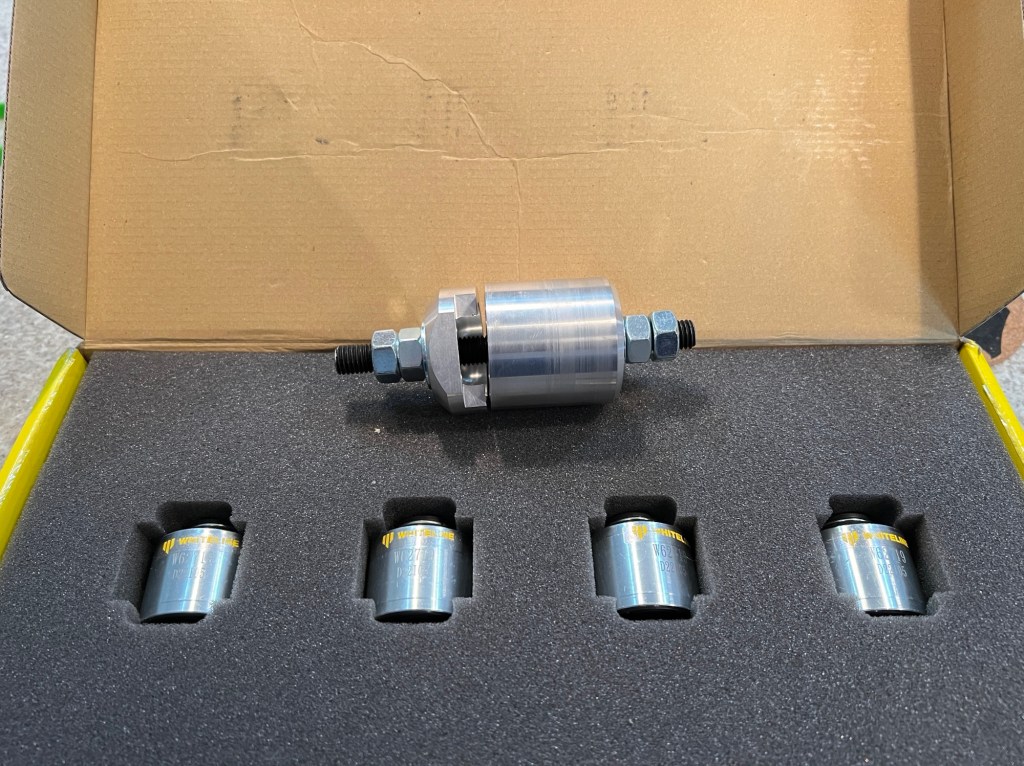
After the first round of de-crusting the Miata, I wanted to fix the rear end clunk. It only happened when going over bumps or elevation changes which made me think it was probably a bushing issue. Turns out, these cars have a common issue where bushings, or spherical bearings, in the rear hub assemblies wear out fairly easily. They looked OK on first inspection but figured with the mileage on this car it’s probably best to go ahead and replace them anyway. I had a few options to consider.
First off, I could have bought new hub assemblies and just bolted them straight in for about $350 a piece. I wasn’t really looking to do that. Second, I could replace all the bushings with poly units from Powerflex but I wasn’t really looking to do that either as I wanted to keep them as spherical bearings as opposed to polyurethane bushings to keep it behaving the way Mazda designed it.
So, I took the third option I looked into, just replacing the two bushings on each side that commonly fail. Now, according to Mazda, these bushings are not serviceable items. At the time of this writing, replacement bushings are unavailable from Mazda. However Whiteline Performance sells a set. I picked them up on sale for $150. The kit came with four new bearings, two for each side. They would replace the main upper and lower knuckle spherical bearings. Since it’s a Whiteline part it should be of better quality than OEM but it seemed to be made very similar to it.
My next issue was removing the old ones and installing these. No bushing/bearing tool that I could find had adapters small enough for these and while I could have rigged something using sockets to work, I decided to buy a specialty tool. There is a company called PerformanceBushes.com that sells a tool made specifically for these bearings. They are based in the UK and it cost me about $150 shipped. So I am $300 into this, which is less than the cost of one new hub.
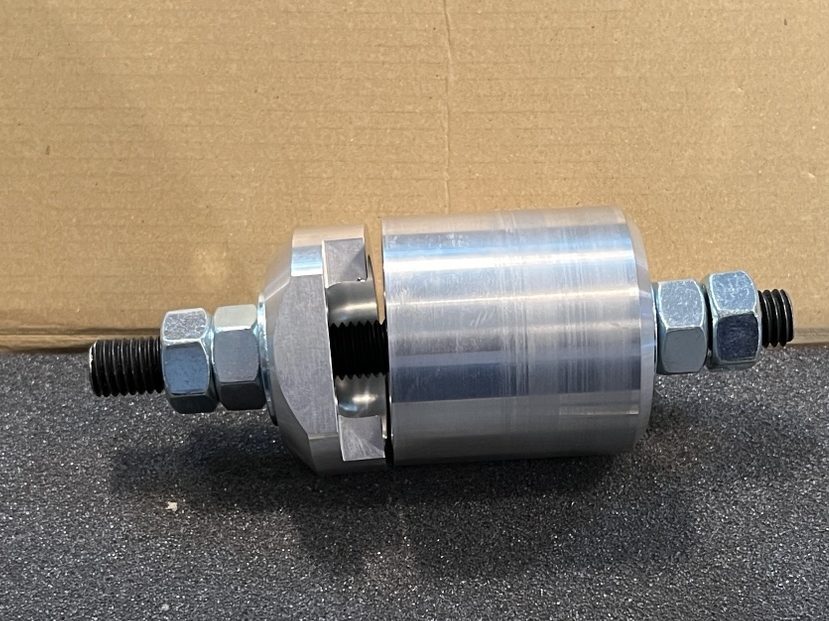
I didn’t take pictures during the install, but if you go the PerformanceBushes.com website they have videos of the process. The repair took me about 30min per side going slow. Luckily since this car came from Texas it is about as rust and corrosion free as a car can be without being new. The old bearings pressed out easily and the new ones slid in with a little more resistance.

I took it for a test drive and the rear clunk was gone! The car also felt a lot more stable at speed. If I was at 60mph+ and let off the gas the rear end of the car would wiggle and feel floaty. This did not eliminate that, but it did help to lessen that some.
While I was in there, I also replaced the rear sway bar end links. These were not clunking but I was also chasing another clang noise from underneath and with as cheap as these are I figured why not replace them. They did not fix the “clang” noise. But the old end links were worn and very floppy, so the new ones tightened things up a bit. Could just be my imagination but the rear does feel more stable now.
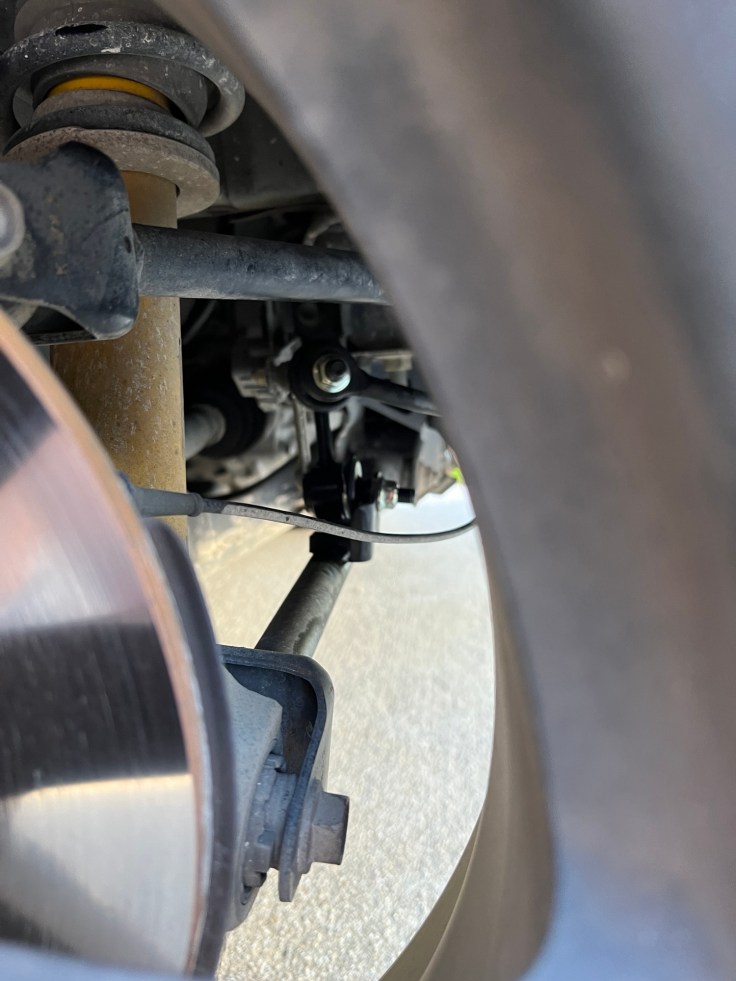
Just like the bearings, the old end links came right off. The new ones also installed without any fuss. I’ll end up replacing the front ones at some point too but for now I’m still trying to chase a “clang” noise from underneath my car. Now that the clunk is gone, I can focus on this other noise. Whenever I am at a stop and let the clutch out there is a very audible “clang” that I can make happen almost at will. Whether I’m going forward or back, it doesn’t matter. I can get it to do that.
I have not been able to pinpoint the “clang” but I have determined that my passenger side wheel bearing is bad and grinding very loudly. So that will be on my list too. A list that keeps growing.


 Supergoat Garage